
- Afghanistan
- Åland Islands
- Albania
- Algeria
- American Samoa
- Andorra
- Angola
- Anguilla
- Antarctica
- Antigua and Barbuda
- Argentina
- Armenia
- Aruba
- Australia
- Austria
- Azerbaijan
- Bahamas
- Bahrain
- Bangladesh
- Barbados
- Belarus
- Belgium
- Belize
- Benin
- Bermuda
- Bhutan
- Bolivia
- Bonaire, Sint Eustatius, and Saba
- Bosnia and Herzegovina
- Botswana
- Bouvet Island
- Brazil
- British Indian Ocean Territory
- British Virgin Islands
- Brunei
- Bulgaria
- Burkina Faso
- Burundi
- Cambodia
- Cameroon
- Canada
- Cape Verde
- Cayman Islands
- Central African Republic
- Chad
- Chile
- China
- Christmas Island
- Cocos [Keeling] Islands
- Colombia
- Comoros
- Cook Islands
- Costa Rica
- Croatia
- Cuba
- Curaçao
- Cyprus
- Czech Republic
- Congo - Kinshasa
- Denmark
- Djibouti
- Dominica
- Dominican Republic
- Timor-Leste
- Ecuador
- Egypt
- El Salvador
- Equatorial Guinea
- Eritrea
- Estonia
- Ethiopia
- Falkland Islands
- Faroe Islands
- Fiji
- Finland
- France
- French Guiana
- French Polynesia
- French Southern Territories
- Gabon
- Gambia
- Georgia
- Germany
- Ghana
- Gibraltar
- Greece
- Greenland
- Grenada
- Guadeloupe
- Guam
- Guatemala
- Guernsey
- Guinea
- Guinea-Bissau
- Guyana
- Haiti
- Heard Island and McDonald Islands
- Honduras
- Hong Kong SAR China
- Hungary
- Iceland
- India
- Indonesia
- Iran
- Iraq
- Ireland
- Isle of Man
- Israel
- Italy
- Côte d’Ivoire
- Jamaica
- Japan
- Jersey
- Jordan
- Kazakhstan
- Kenya
- Kiribati
- Kosovo
- Kuwait
- Kyrgyzstan
- Laos
- Latvia
- Lebanon
- Lesotho
- Liberia
- Libya
- Liechtenstein
- Lithuania
- Luxembourg
- Macau SAR China
- Macedonia
- Madagascar
- Malawi
- Malaysia
- Maldives
- Mali
- Malta
- Marshall Islands
- Martinique
- Mauritania
- Mauritius
- Mayotte
- Mexico
- Micronesia
- Moldova
- Monaco
- Mongolia
- Montenegro
- Montserrat
- Morocco
- Mozambique
- Myanmar [Burma]
- Namibia
- Nauru
- Nepal
- Netherlands
- Netherlands Antilles
- New Caledonia
- New Zealand
- Nicaragua
- Niger
- Nigeria
- Niue
- Norfolk Island
- North Korea
- Northern Mariana Islands
- Norway
- Oman
- Pakistan
- Palau
- Palestinian Territories
- Panama
- Papua New Guinea
- Paraguay
- Peru
- Philippines
- Pitcairn Islands
- Poland
- Portugal
- Puerto Rico
- Qatar
- Congo - Brazzaville
- Réunion
- Romania
- Russia
- Rwanda
- Saint Barthélemy
- Saint Helena
- Saint Kitts and Nevis
- Saint Lucia
- Saint Martin
- Saint Pierre and Miquelon
- Saint Vincent and the Grenadines
- Samoa
- San Marino
- São Tomé and Príncipe
- Saudi Arabia
- Senegal
- Serbia
- Serbia and Montenegro
- Seychelles
- Sierra Leone
- Singapore
- Sint Maarten
- Slovakia
- Slovenia
- Solomon Islands
- Somalia
- South Africa
- South Georgia and the South Sandwich Islands
- South Korea
- South Sudan
- Spain
- Sri Lanka
- Sudan
- Suriname
- Svalbard and Jan Mayen
- Swaziland
- Sweden
- Switzerland
- Syria
- Taiwan
- Tajikistan
- Tanzania
- Thailand
- Togo
- Tokelau
- Tonga
- Trinidad and Tobago
- Tunisia
- Turkey
- Turkmenistan
- Turks and Caicos Islands
- Tuvalu
- U.S. Virgin Islands
- Uganda
- Ukraine
- United Arab Emirates
- United Kingdom
- United States
- U.S. Minor Outlying Islands
- Uruguay
- Uzbekistan
- Vanuatu
- Vatican City
- Venezuela
- Vietnam
- Wallis and Futuna
- Western Sahara
- Yemen
- Zambia
- Zimbabwe
Research Scientist, Cardiovascular Health, Fitbit
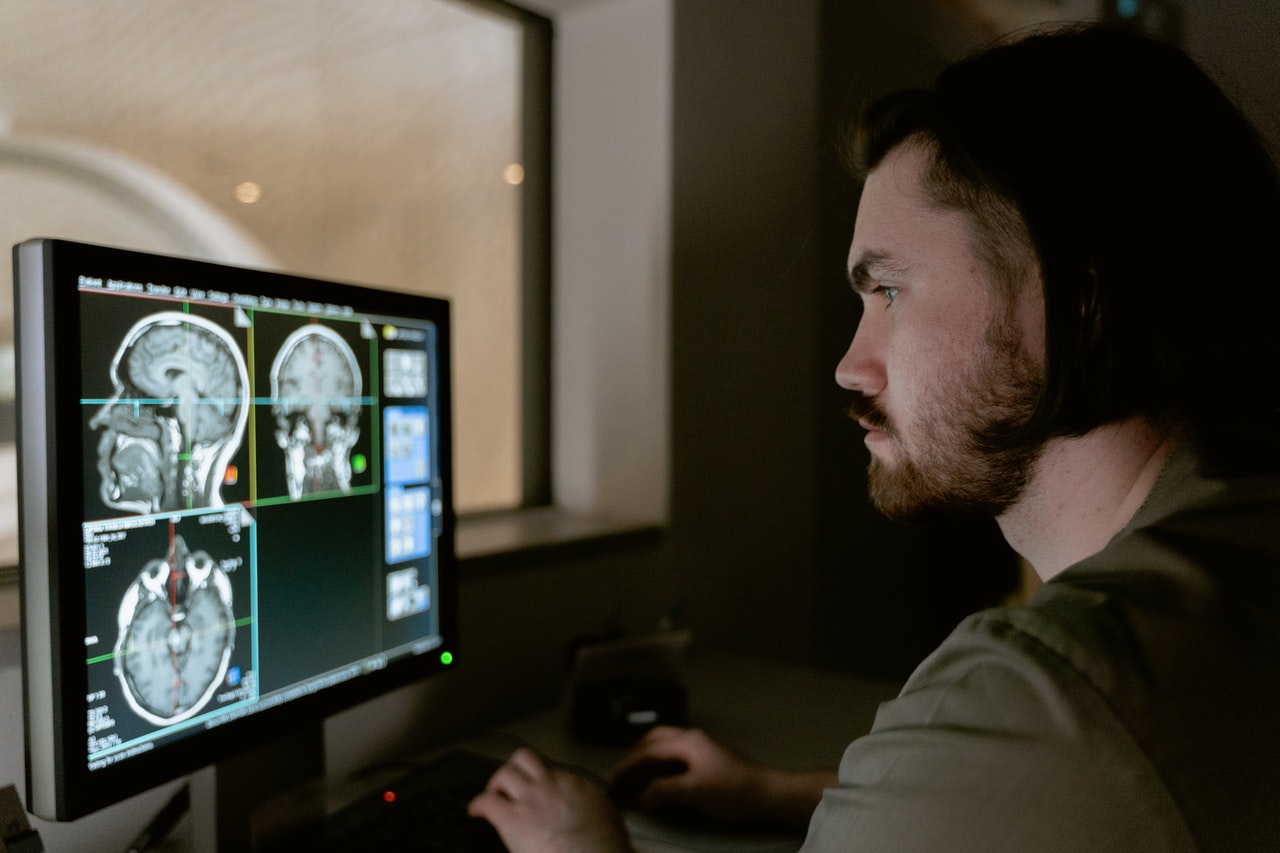
Research Scientist, Cardiovascular Health, Fitbit
Job Overview
London, England
Full Time Job
116269
1 year ago
Louis Lori
135
Job Description
Minimum qualifications:
PhD in Biomedical Engineering, Electrical Engineering, Computer Science, or related field, or equivalent practical experience.
Experience using Python, MATLAB, or similar tools for data acquisition and analysis.
Experience with hardware characterization, debugging, and rapid prototyping techniques.
Experience in human physiology, sensing, and experiments involving human subjects.
Preferred qualifications:
Experience developing physiological sensor technologies (e.g., PPG, ECG).
Experience developing medically-regulated devices, algorithms or product features.
Experience with hardware characterization, debug and/or rapid prototyping.
Statistics skills relevant to drawing reliable conclusions from experimental data.
About the job
The Consumer Health Research and Technology team (CHRT) creates health sensing technologies used inside of Fitbit devices and across other Google surfaces.
As a Research Scientist, you will investigate and develop new sensing capabilities, enabling novel health and wellness product features. You will model, refine, and optimize the performance of existing sensors, and broaden their range of use cases to cardiovascular health monitoring. You will design and execute experiments to verify sensor performance under real-world conditions, including testing with human subjects.
In this role, you will collaborate closely with an interdisciplinary group of experts in electrical engineering, firmware, and algorithms to implement high-performing sensing systems, and partner with Engineering counterparts to develop promising technologies. As a Research Scientist, you may also have the opportunity to contribute to the wider research community by sharing and publishing your findings, with ideas inspired by internal projects and from collaborations with research programs at partner universities and technical institutions all over the world.
Responsibilities
Collaborate with a cross-functional team of hardware, firmware, and algorithm experts to design, build, and evaluate prototype sensor systems for health and wellness applications, with an initial focus on cardiovascular health.
Develop experimental algorithms for predicting cardiovascular and other health metrics from biological waveforms and other sensor data.
Conduct studies using human subjects to demonstrate system performance.
Produce well-written scientific reports to share our findings internally, and where relevant, publish in peer reviewed journals and conferences.
Job ID: 116269
Tags

Similar Jobs

Labcorp
Full Time JobResearch scientist, cardiovascular health, fitbit Research scientist, cardiovascular health, fitbit
Essential Job Duties:In support of project initiation and proposals, participate...

Cargill
Full Time JobResearch scientist, cardiovascular health, fitbit Research scientist, cardiovascular health, fitbit
Job Purpose and ImpactThe Corporate Lab Lead - Microbiology, will ensure Protein...

Disney Company
Full Time JobResearch scientist, cardiovascular health, fitbit Research scientist, cardiovascular health, fitbit
The Disney Decision Science + Integration (DDSI) organization provides internal ...

Eastman
Full Time JobResearch scientist, cardiovascular health, fitbit Research scientist, cardiovascular health, fitbit
Chemical OperatorFounded in 1920, Eastman is a global specialty materials compan...

Unlock chat with Louis Lori

Welcome to My Jobs Centre! We specialize in connecting candidates with job opportunities worldwide. Our clients include recruitment agencies and employers across the globe, offering the latest full-time, part-time, permanent, temporary, and contract positions. Whether you're looking for roles in healthcare, retail, construction, engineering, warehouse, driving, or beyond, we’ve got you covered. Explore the diverse range of industries and find your perfect job today!

